

Let’s work together!
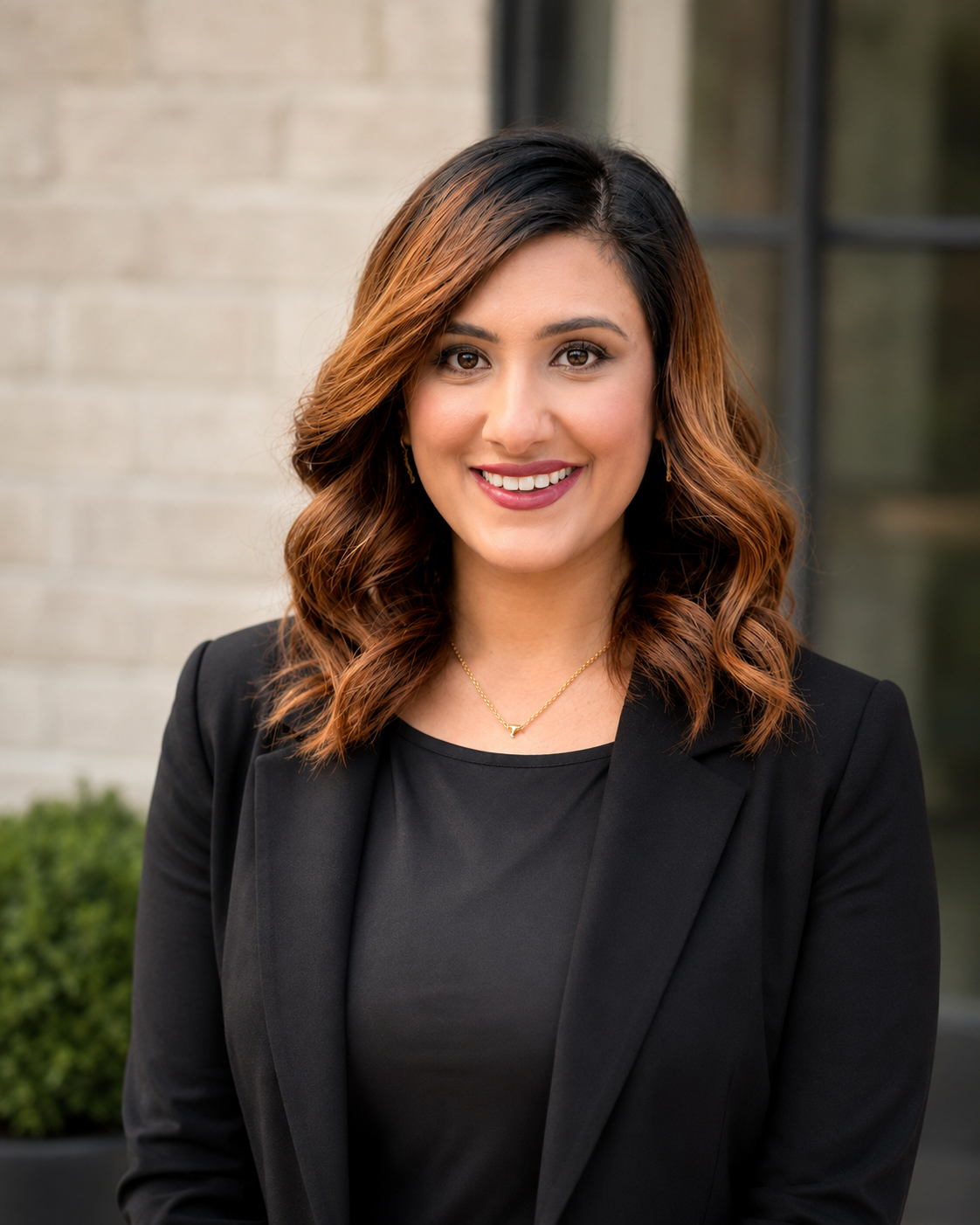
Mehik Malik (She/Her), MA, LPC, EMDR-t
You can understand your trauma and still be affected by it. You can know exactly where your patterns came from and still find yourself repeating them. You can be incredibly self-aware and still feel completely stuck.
Maybe you understand where your anxiety comes from. Maybe you can explain exactly why you have trouble trusting people, setting boundaries, managing anger, or feeling good enough. Maybe you can tell your trauma story without really feeling it anymore. You have the insight—but something still isn’t changing.
That’s where therapy can go beyond simply talking.
I work with adults who are ready to move beyond understanding their patterns and actually begin changing them. Together, we’ll slow things down, get curious about what’s happening underneath the surface, and work with the parts of you that learned to cope in ways that may no longer be serving you.
You don’t have to stop being analytical or stop thinking things through. We’re going to use that self-awareness as a starting point—not let it become the place where therapy ends.
That’s where I come in.
I believe therapy can be about more than simply talking about your week or gaining insight into your past. Insight is important—but sometimes knowing why you do something isn't enough to help you do something differently.
My goal is to help you go deeper than the surface. Together, we may explore the patterns underneath your thoughts, emotions, and behaviors, identify the experiences that shaped them, and work toward changing the way those experiences continue to affect you today. Sometimes that means talking and making connections. Other times, it means slowing things down, working with the different parts of yourself, processing difficult experiences, or using more experiential approaches that allow you to actually feel and work through what you’ve been carrying.
I’m particularly passionate about working with people who tend to intellectualize their emotions or trauma. Maybe you can tell your story without feeling much of it. Maybe you analyze everything because understanding feels safer than feeling. Maybe you know exactly where your anxiety, anger, people-pleasing, or self-doubt comes from, but you still find yourself repeating the same patterns.
You don’t need more explanations for why you are the way you are. You may need a different way of experiencing and processing what you’ve been through.
I use an individualized, integrative approach drawing from EMDR, Internal Family Systems (IFS), CBT, and DBT. I don't believe there is one formula for therapy that works for everyone. Your experiences, personality, goals, and needs should shape the work we do together.
When working with trauma, I don't believe you should have to spend the rest of your life feeling defined by what happened to you. Trauma can influence the way you see yourself, your relationships, your choices, your emotions, and your sense of safety long after the original experience is over. EMDR and IFS can provide ways to work with those experiences that go beyond simply talking about them.
I also believe that the relationship you have with your therapist matters tremendously. I want you to feel comfortable being honest with me—even when the answer isn't pretty, when you don't know what you need, or when you disagree with me. I approach my clients with curiosity rather than assumptions. I’m not interested in fitting you into a diagnosis or predetermined treatment plan. I want to understand your experience and help you figure out what actually works for you.
My style is warm, genuine, and direct. I’ll listen without judgment, but I also won’t simply nod along if I think something is keeping you stuck. Therapy should feel supportive and safe, but I believe it should also challenge you when necessary and give you the tools to move forward.
I provide virtual therapy for adults navigating anxiety, depression, trauma, substance use, anger, self-esteem concerns, and difficult life transitions. I’ve worked across multiple levels of care, including private practice, inpatient rehabilitation, intensive outpatient treatment, and telehealth. These experiences have allowed me to work with a diverse range of clients, including people who may feel hesitant about therapy or aren’t quite sure what to expect from it.
Ultimately, I don't want therapy to be about becoming someone completely different.
I want to help you understand yourself better, recognize your strengths, work through what is holding you back, and feel more like yourself again.
Therapy for Men
For many men, the message around emotions has been pretty simple: suck it up, keep it moving, and handle it yourself. Others were never really taught how to identify what they were feeling in the first place. You may know that something is off, but asking yourself, “What am I actually feeling right now?” can feel uncomfortable, unfamiliar, or even pointless.
Maybe your emotions come out as anger. Maybe you shut down, stay busy, isolate, overthink, work harder, drink, or tell yourself that whatever is bothering you just isn't that big of a deal. Maybe you've gotten really good at pushing things down—but eventually, what we push down tends to show up somewhere.
This is one of the reasons I use Internal Family Systems (IFS) in my work with men. IFS gives us a way to understand the different “parts” of you without requiring you to sit on a couch and simply talk about your feelings for an hour. We can get curious about the part of you that gets angry, the part that wants to shut down, the part that feels like it always has to be in control, or the part that is exhausted from holding everything together.
You don't have to become someone who talks about their feelings all day. The goal isn't to make you more emotional—the goal is to help you understand yourself better, express what you're experiencing in a way that actually makes sense to you, and feel more balanced and in control of your life.
Therapy should fit the person—not force you into a version of therapy that doesn't feel natural to you.
Working With the South Asian Community
For many people in the South Asian community, navigating mental health can come with layers that aren't always easy to explain. You may have grown up hearing that you should be grateful, keep family matters private, put your responsibilities first, or simply push through whatever you're experiencing. Mental health may not have been something that was openly discussed, and seeking therapy may have felt unfamiliar, uncomfortable, or even stigmatized.
You may also feel caught between different worlds—balancing the values and expectations you grew up with while also trying to figure out what feels right for you. Maybe you're trying to build a life that honors your culture while still creating space for your own needs, identity, relationships, and values. Maybe you're learning how to set boundaries with family but don't want those boundaries to feel disrespectful, disconnected, or inconsistent with your culture.
You shouldn't have to spend half of therapy explaining why something is complicated.
As someone who understands these cultural dynamics, I want to create a space where you don't have to over-explain the family expectations, cultural pressures, or the tension that can come with trying to find your own path. We can spend less time explaining the context and more time actually doing the work.
Together, we can explore self-worth, boundaries, family and relationship dynamics, cultural expectations, people-pleasing, identity, and the pressure to meet everyone else's expectations while still trying to figure out what you want for yourself.
If spirituality or religion is an important part of your life, we can also incorporate it into therapy in a way that feels appropriate and meaningful to you. Your culture, values, and beliefs don't have to be separated from the therapeutic process—they can be part of understanding who you are and what a fulfilling life looks like for you.
Therapy doesn't have to be about choosing between your culture and yourself. It can be about finding a way to honor where you come from while also creating a life that feels authentically yours.
Mehik’s fee is
$135 per session ($150 for the first session)
Insurances Accepted:
Aetna
Cigna
United/Oscar
BCBS.